
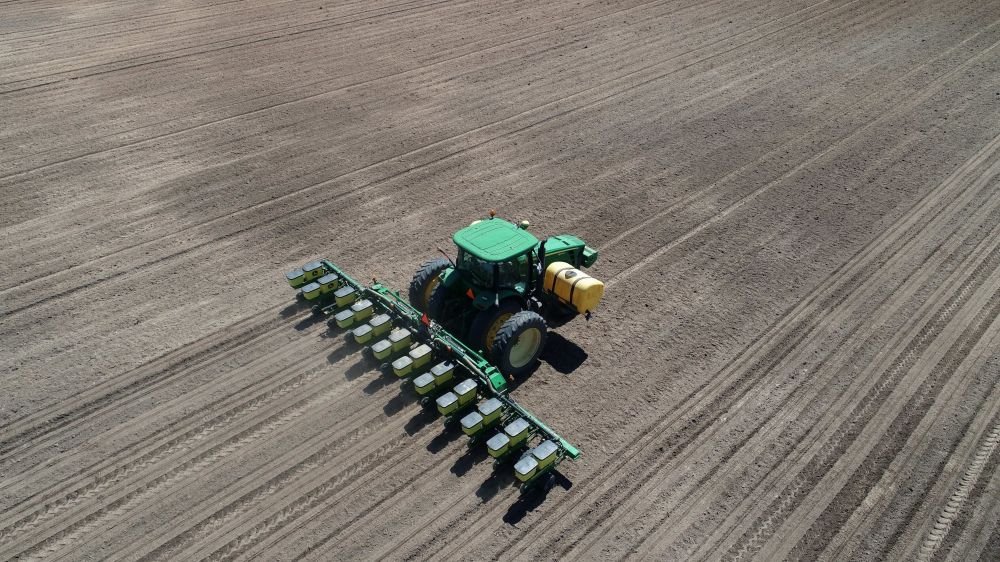
As temperatures rise and spring inches closer , it gets more tempting each day to fire up the tractor and get in the field. However , deciding when to plant is one of the first (of many) management decisions that will impact your crop’s performance this season , so it pays to be patient and make sure you’re planting at the most optimal time in the most optimal conditions. Here are six tips to help you decide the right time to put your corn and soybean seeds in the ground.
1. Monitor Soil Moisture
When evaluating whether a field is ready for planting , the first thing you should consider is soil moisture: is it too wet or too dry? If the soil is too wet , don’t push it. You can cause compaction , smear the sidewall of the seed trench and even cause the seed to rot and die. These effects will impact the rest of your season.
If the field is dry , consider increasing planting depth to reach more moisture. Corn kernels must absorb approximately 30% of their weight in water before germination begins. Less than optimum water volume can slow or stop germination.
Equally important to moisture presence is moisture consistency. If it’s not spatially consistent at seed depth , it can cause uneven germination , which leads to uneven emergence. Uneven soil moisture in the seed zone can be caused by a number of factors , but the number one culprit is uneven planting depth.
2. Pay Close Attention To Soil Temperatures
Planting at a suitable soil temperature is critical , especially for corn. As growers get in the field earlier and earlier these days , they’re often pushing the envelope , but you should be aiming for 50 F. If you plant corn at too cold a temperature , you run the risk of imbibitional chilling.
When corn seeds imbibe (take up) water , cell membranes stretch and cells expand. When water around 39 F is absorbed , it can cause membrane damage , which often results in the leakage of cell solutes and sugars. This , in turn , is likely to reduce growth rate and interfere with the emerging seedling’s development.
Debate exists about what specific temperature and timing causes imbibitional chilling. However , corn plants that imbibe cold water in the low 40s in the first 48 hours after planting undoubtedly are affected. Planting when soil temperatures are above 50 F alleviates concerns of imbibitional chilling affecting corn emergence.
For best results , begin planting corn when soil temperatures are in the high 40s and the short-term forecast calls for warm days that will continue pushing soil temperatures higher. If soil temperatures are in the high 40s and the weather forecast calls for cold , wet conditions within the next 48 hours , that will likely reduce soil temperatures , so refrain from planting.
In soybeans , the seed is most susceptible to imbibitional chilling in the first 24 hours , when the seed takes up water very fast. Therefore , it’s a good idea to plant your soybeans once you are confident soil temperatures won't be cold (less than 50 F) for at least 24 hours. If you planted two or more days before a cold rain , there should be no imbibitional injury due to cold temperatures.
3. Choose Your Planting Depths Wisely
Always check and assess your planter depth. Planting too shallow can have substantial impacts later in the season. In the South , 1.5 to 2.5 inches deep for corn is typically the recommended range with the sweet spot for no-till corn around 2 inches , and tilled ground around 2.5 inches because the ground will settle after tillage. Any shallower than that , however , you can run into issues with uneven soil moisture causing uneven emergence and early-season root lodging.
4. Ensure Good Seed-To-Soil Contact
For adequate moisture to be held and maintained around the seed , soil must be firmed around it. This helps ensure seeds are able to evenly absorb moisture and emerge uniformly. Planting at proper soil moisture , temperature and depth all support good seed-to-soil contact , while open planter furrows , trash in the seed furrow , or cloddy seedbeds can diminish it.
5. Use Starter Fertilizers and Plant Growth Regulators
Especially in soybeans , earlier planting dates tend to correlate to higher yields , so growers tend to push the planting window earlier and earlier. This can be good because it allows the plants to capture even more sunlight , and we can use later maturity hybrids and varieties that tend to yield more. However , additional cautions should be taken because this also brings additional risks.
If you’re going to push for earlier planting on corn , I highly recommend providing your crop some extra support. Consider chelated zinc and a plant growth regulator like Ascend® Pro. It will help get you off to a much better start. If you’re planting CROPLAN® corn hybrids , they’ve already been treated with zinc to promote early-season growth and root development.
6. Adjust to Delays
If the spring ahead is cold and wet , and keeps you from your ideal timing , consider adjusting corn maturities to avoid any frost damage come fall. However , with soybeans , I recommend holding to your original maturity selection as much as possible.
Soybean maturity tells you how much vegetative growth the plant will put on after flowering. When planting gets delayed , the plant has less time to develop before flowering. Unlike corn , soybeans will always flower around the summer equinox , no matter the maturity , because it’s a day-length-controlled plant. Earlier maturities don’t put on as much vegetative growth after flowering , so the risk you have in backing down your maturity is reduced development after flowering , resulting in stunted beans and lower pod counts.
As you begin to assess fields for planting , remember to consider these factors and carefully balance the benefits of planting early with the risks. When in doubt , don’t push it. For more information on determining optimal planting dates , talk with your local GreenPoint Ag location.
Agronomy
6 Tips For Determining Planting Dates

Want help thinking through your acres?
Talk with a GreenPoint Ag agronomist who works in your region. Local knowledge, applied to your operation.