Why Italian Ryegrass Demands Early Action
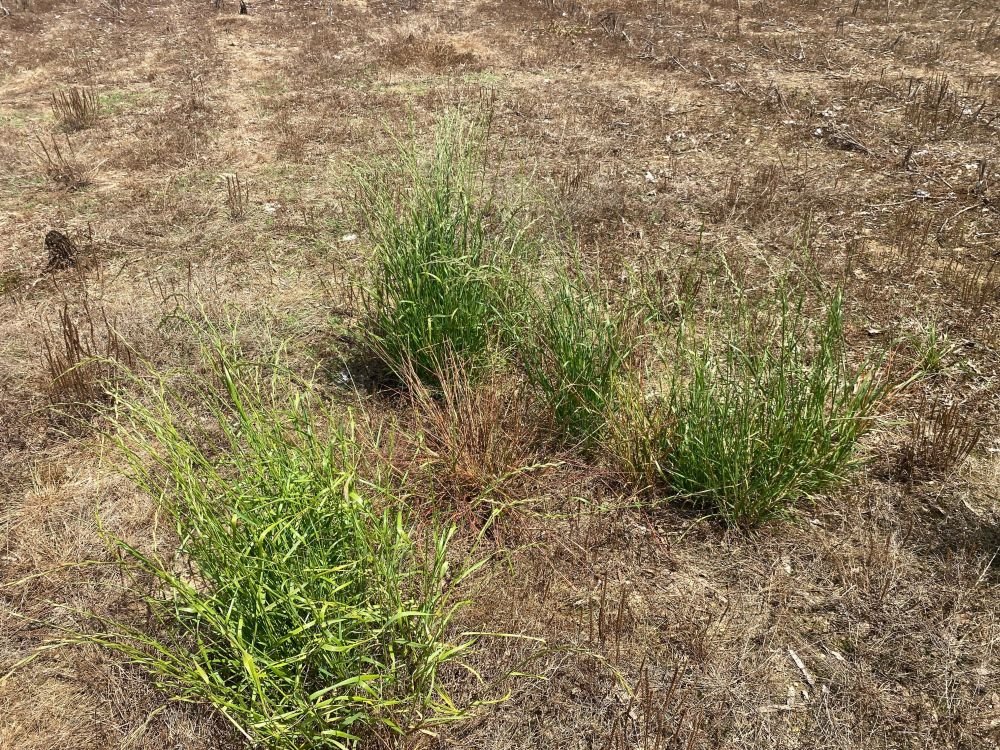
Italian ryegrass has become one of the most persistent and yield-limiting weeds in the South. Dense infestations compete directly with crops for soil moisture, nitrogen, and sunlight. Resistant biotypes—especially glyphosate-resistant populations —are widespread, and reliance on spring-only strategies is proving less effective every year.
Research shows that once Italian ryegrass reaches 6–8 inches and begins tillering, many postemergence herbicides lose activity. At that stage, control becomes inconsistent and more expensive, often requiring multiple passes.
What Happens If You Wait
Reduced Herbicide Performance
-
Paraquat is highly dependent on coverage. Smaller plants can be controlled effectively, but tillered Italian ryegrass has more leaf area and a denser canopy, making complete coverage difficult.
-
Applications made after March often result in partial control and regrowth.
Resistance Selection Pressure
-
Glyphosate-resistant Italian ryegrass is now established across much of Mississippi and surrounding states.
-
Overuse of clethodim as a spring rescue tool increases the risk of clethodim resistance, which has already been confirmed in parts of the South.
-
Paraquat resistance is a growing concern where programs rely too heavily on repeat applications.
Impact on Crop Establishment
-
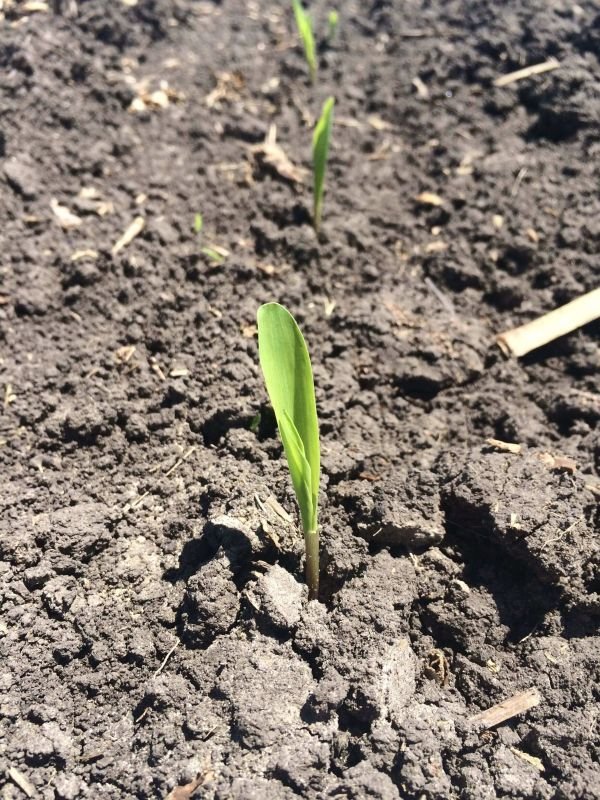
Corn: Postemergence Italian ryegrass control options are essentially nonexistent. Fields must be clean before planting. Early burndown is especially important in corn as decaying Italian ryegrass has an allelopathic effect on seedling corn.
-
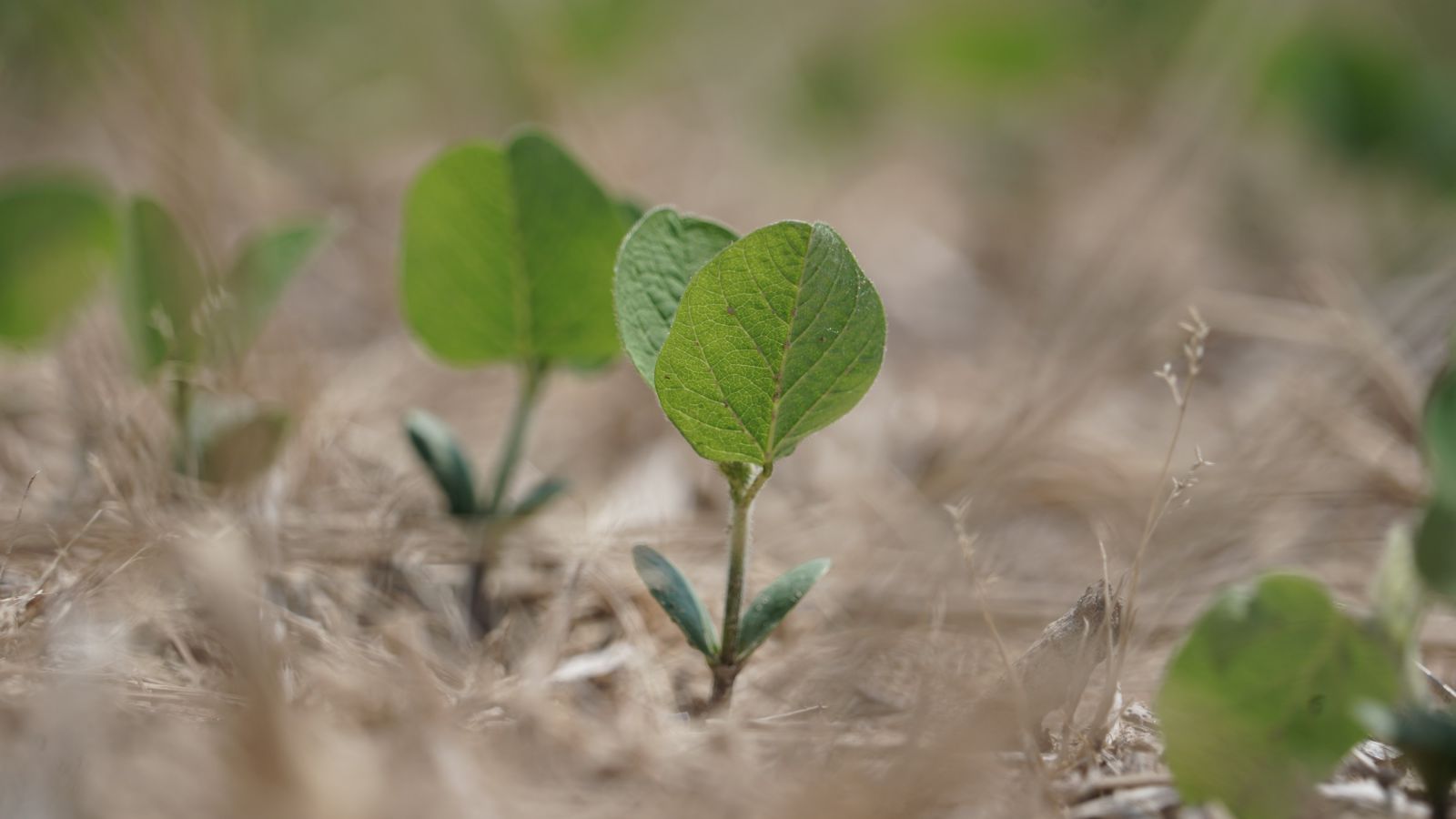
Soybeans and Cotton: Planting into Italian ryegrass residue reduces seed-to-soil contact, delays emergence, and lowers stand uniformity.
-
Rice: Italian Ryegrass can interfere with water management and early weed control strategies.
Economic Impact of Delayed Control
MSU Extension research has shown the benefit-to-cost ratio of fall + winter programs far exceeds spring-only attempts. In other words: every dollar invested early pays multiple dividends at harvest. Waiting until spring often requires two to three additional herbicide applications—and still leaves escapes behind. That adds up to $80–$100 more per acre in weed control costs.
Yield impacts are just as significant:
-
Soybeans: 5–10 bushels per acre lost under moderate Italian ryegrass pressure.
-
Corn: Stand reductions and planting delays can shave 15–20% of yield potential in high-pressure fields.
-
Cotton: Escapes compete for moisture and nutrients, lowering seedling vigor and increasing early stress.
In short, delaying control means paying more and harvesting less.
Building an Italian Ryegrass Program That Works
Start with Residuals in the Fall (Mid-Oct–Mid-Nov):
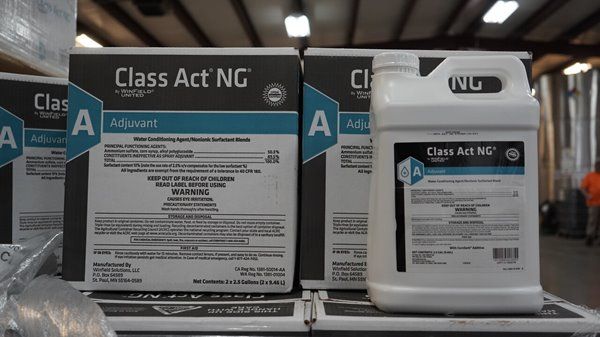
Residual herbicides such as: Zidua SC, Charger® Basic, and Anthem® Flex provide the strongest foundation. If Italian ryegrass is already emerged, add paraquat plus a surfactant to clean up seedlings. (PDF)
Follow Up in Winter (Jan–Feb):
Scout fields and target Italian ryegrass at 4–6 inches tall. Paraquat tank-mixed with atrazine (corn), metribuzin (soybeans), or diuron (cotton) increase efficacy of paraquat against glyphosate-resistant Italian ryegrass. In heavy infestations, a second pass 10–14 days later may be needed.
Use Clethodim Carefully:
Clethodim has a place, but it cannot carry the program alone. Repeated use increases resistance risk, so rotate chemistries and always layer with residuals.
Be Clean at Planting:
Italian ryegrass must be controlled before corn goes in the ground, as there are no effective postemergence rescue treatments once the crop emerges. For soybeans and cotton, planting into a weed-free seedbed maximizes stand establishment and early growth.
Integrated Weed Management Tactics Pays Off
No single product is enough to manage Italian ryegrass. Effective programs include:
-
Rotation of Crops & Chemistries: Switching between corn, soybeans, cotton, and rice allows use of different herbicide modes of action.
-
Strategic Tillage: Double disking or light tillage, where practical, can complement chemical control and reduce infestation density.
-
Cover Crops: When well-managed, covers can suppress Italian ryegrass emergence, though timing and termination are critical.
-
Scout, Scout, Scout: Drone imagery, satellite data, and scouting apps help identify escapes early, before they spread.
Moving Forward with Confidence
Every farm is different—crop rotation, soil type, and weed pressure all influence your program. But the principle is universal: the earlier Italian ryegrass is controlled, the greater the payoff. Scout this fall, plan your program, and work with your GreenPoint Ag Sales Representative to build a layered strategy. Taking action before Italian ryegrass gets ahead means less stress in the spring, lower costs across the season, and more bushels in the bin.