As growers, we know every decision we make in the field has a ripple effect—on our crops, our soil, our bottom line, and the environment. Nitrogen (N) is one of the most powerful tools in crop production, especially for winter wheat. Done right, nitrogen management leads to healthier plants, higher yields, and better profits. Done wrong, it can mean wasted money, struggling crops, and harm to the environment.
When we talk about sustainable nitrogen management, we’re not talking about cutting corners or sacrificing results. Instead, we’re focusing on smarter practices—ones that ensure our crops get exactly what they need while protecting our land for future seasons. Here’s how you can manage nitrogen effectively and why it’s worth the effort.
Why Nitrogen Management Matters
Nitrogen fuels the growth of winter wheat. It helps develop tillers, increase heads per square foot, and fill grain kernels. But too much or too little nitrogen causes problems:
-
Too Much: Leads to lush growth, making crops more prone to lodging, disease, and environmental losses through leaching or runoff.
-
Too Little: Results in poor growth, fewer tillers, and reduced yield potential.
The key is balance. By giving the crop the nitrogen, it needs, when it needs it, you’ll maximize your yield and protect your investment.

How to Optimize Nitrogen for Winter Wheat
Timing nitrogen applications to match your wheat’s growth stages is critical. Winter wheat’s nitrogen demand changes throughout the season, and understanding those needs helps you plan your applications effectively.
Fall Application (Before Dormancy):
Nitrogen applied in the fall is all about setting your crop up for success. A light application of 15-30 lbs./acre helps the plant establish tillers and develop a strong root system before winter. Too much nitrogen here can lead to excessive growth, leaving plants vulnerable to disease and winterkill.
Early Spring (Green-Up):
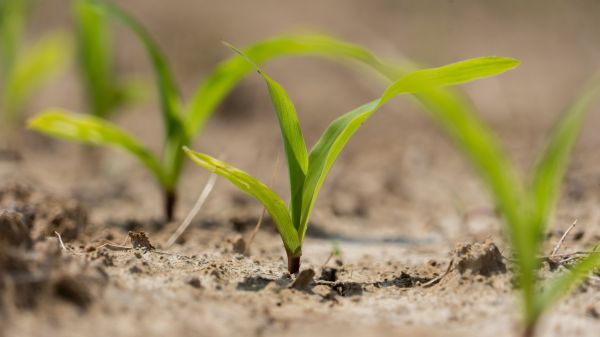
As wheat breaks dormancy and starts to grow, nitrogen is needed to stimulate tillering. Thin stands (<70 tillers/sq. ft.) benefit the most from an early application. For thicker stands, you may not need to apply nitrogen at this stage.
Stem Elongation (Rapid Growth):
This is the most important time for nitrogen. As the plant enters its rapid growth phase, its nitrogen demand peaks. Apply the bulk of your nitrogen here to support head development and grain fill. This stage is where your yield potential is made or lost.
Late Spring (Flag Leaf Emergence):
While most nitrogen uptake is complete by now, a small application at this stage can improve grain protein content. This is especially useful if you’re targeting high-protein wheat markets.
Split Applications for Better Results
Split applications are a great way to match nitrogen availability with crop demand while minimizing losses. For example:
- First Split: Apply a smaller dose at green-up to encourage early growth.
- Second Split: Apply the majority at stem elongation, when the crop is taking up nitrogen the fastest.
By splitting your nitrogen, you avoid overloading the soil early on and reduce the risk of losses from leaching or volatilization.

Virginia Tech. (n.d.). N rate recommendations for the first application in a split based on tiller density measurements. In *Nitrogen Management for Winter Wheat: Principles and Recommendations* (Figure 4).

Virginia Tech. (n.d.). N rate recommendations for the second application in a split or a single late application based on tissue N content at growth stage 30. In *Nitrogen Management for Winter Wheat: Principles and Recommendations* (Figure 5).
Integrating Nitrogen and Herbicide Strategies
Nitrogen and weed control go hand in hand. A healthy wheat crop, fueled by proper nitrogen management, competes better with weeds, reducing their impact. Coordinating nitrogen applications with herbicide schedules can make both more effective.
- Pre-Emergence Herbicides: If applying nitrogen in the fall, pair it with pre-emergence herbicides to target early weed growth.
- Post-Emergence Herbicides: As wheat starts growing in early spring, a nitrogen application can help the crop outcompete weeds, improving herbicide performance.
Tools to Optimize Nitrogen Use
The more precise you are with your nitrogen, the better your results. Tools like soil tests, tissue tests, and precision agriculture equipment can help you get it right:
- Soil Tests: Measure residual nitrogen in your fields before applying fertilizer. This prevents over-application and saves money.
- Tissue Tests: Take tissue samples at key growth stages to assess if your crop needs additional nitrogen.
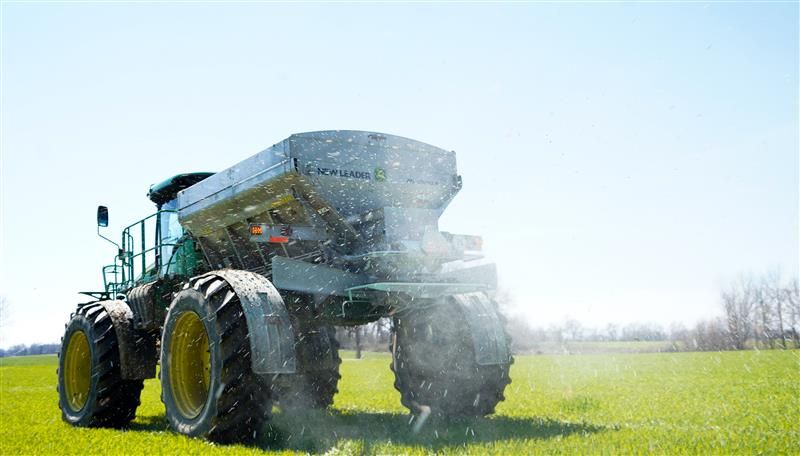
- Precision Equipment: Use GPS-enabled spreaders or crop sensors to apply nitrogen where it’s needed most, avoiding waste and uneven coverage.
Protecting Your Nitrogen Investment
Heavy rains and warm weather, common in the South, increase the risk of nitrogen loss through leaching or runoff. Protect your investment with these strategies:
- Nitrogen Stabilizers: These products slow the conversion of nitrogen into forms that are easily lost, keeping it available longer.
- Timing Applications Carefully: Match applications to crop use and avoid applying nitrogen before forecasted heavy rains.
- Slow-Release Fertilizers: In areas prone to leaching, consider using slow-release products to provide steady nitrogen availability.
Maintain Your Equipment for Precision
Your nitrogen management plan is only as good as your equipment. Regular maintenance ensures accurate application and minimizes waste:
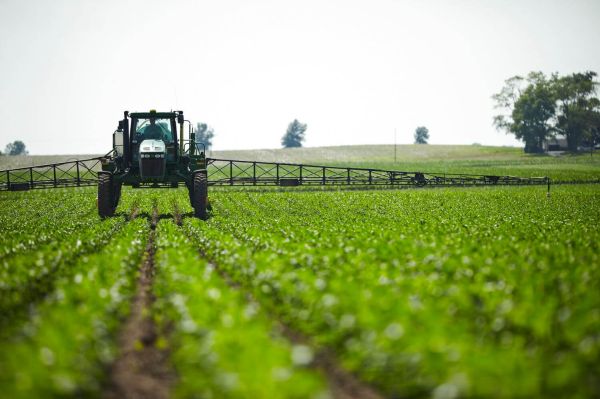
- Calibrate Spreaders and Sprayers: Make sure they’re delivering the correct rates.
- Inspect Tanks and Nozzles: Check for clogs, leaks, and wear.
- Upgrade Technology: If you’re using precision ag tools, ensure they’re fully functional and updated.
The Payoff: Why It’s Worth It
Sustainable nitrogen management offers benefits that go beyond the growing season:
- Environmental Wins: Reduced nitrate runoff and emissions mean you’re protecting waterways and the air we breathe.
- Economic Wins: By applying only what’s needed, you cut costs and maximize your fertilizer’s value.
- Stronger Crops: Healthy wheat stands are better equipped to resist disease, pests, and weeds, leading to higher yields.
A Smarter Way Forward
Every grower knows there’s no one-size-fits-all approach to farming. Your fields, your weather, and your equipment all play a role in your decisions. But by focusing on sustainable nitrogen management, you’ll not only improve your bottom line but also ensure your land remains productive for years to come.
Take a step back, assess your field conditions, and plan your nitrogen strategy carefully. With the right timing, tools, and practices, nitrogen management can benefit your farm, wallet, and the environment. Contact your local agronomist to optimize your nitrogen management strategy for higher yields.