Jay Bratton , GreenPoint AG Leland
With the harvest season ending , it is now time to focus on next year. One of the most important decisions a grower makes is the seed that will be planted next spring. Using technology available in agriculture , today’s growers can refine their decisions using the data they collect throughout the year. Whether it is using Climate Fieldview to collect yield data , analyze varietal performance , create field regions based off in-season imagery or layering soil sample maps in Incompass over yield data to highlight limiting factors , there are a few areas to consider when making the ultimate decision.
-
Harvestability
Every harvest year is different , but that should not keep you from making a solid plan. Take into account any snags or problems you have had over the previous years. Try to spread risk across the farm with respect to variety maturity and planting dates. In other words , plan from the end to the beginning. Think about crop mix and consider the maturity of each to avoid any disasters due to weather or harvest timing.
-
Pair varieties with fertility
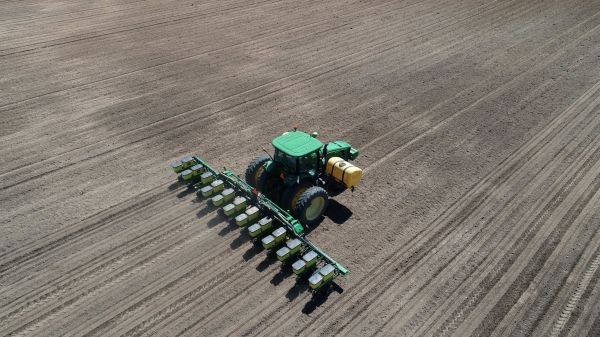
Due to low commodity prices , growers have a constraint on their fertility budget for the coming year. Use the technology associated with variable rate application and variable rate planting to pair the crop and variety with the correct acres to maximize and drive yield.
-
Segment the acres
Not all acres are created equal. By using soil type maps along with the CEC fertility maps , growers can make sure each variety will be placed exactly where it can reach its full potential. With the soil type and CEC variability that is seen in so many fields today , growers can use technology to place varieties on the most suitable soil type.
Take advantage of the technology platforms available today to make sure every seed and acre you plant has the ability to maximize its yield and profit potential.