Considerations In Seed Decision Making

Considerations In Seed Decision Making

Jay Bratton , GreenPoint AG Leland

With the harvest season ending , it is now time to focus on next year. One of the most important decisions a grower makes is the seed that will be planted next spring. Using technology available in agriculture , today’s growers can refine their decisions using the data they collect throughout the year. Whether it is using Climate Fieldview to collect yield data , analyze varietal performance , create field regions based off in-season imagery or layering soil sample maps in Incompass over yield data to highlight limiting factors , there are a few areas to consider when making the ultimate decision.

  1. Harvestability

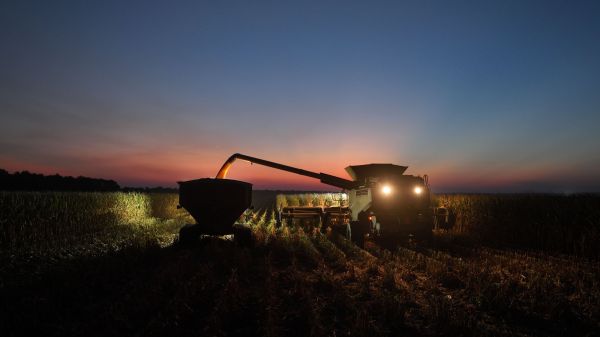
Every harvest year is different , but that should not keep you from making a solid plan. Take into account any snags or problems you have had over the previous years. Try to spread risk across the farm with respect to variety maturity and planting dates. In other words , plan from the end to the beginning. Think about crop mix and consider the maturity of each to avoid any disasters due to weather or harvest timing.

  1. Pair varieties with fertility

Due to low commodity prices , growers have a constraint on their fertility budget for the coming year. Use the technology associated with variable rate application and variable rate planting to pair the crop and variety with the correct acres to maximize and drive yield.

  1. Segment the acres

Not all acres are created equal. By using soil type maps along with the CEC fertility maps , growers can make sure each variety will be placed exactly where it can reach its full potential. With the soil type and CEC variability that is seen in so many fields today , growers can use technology to place varieties on the most suitable soil type.

Take advantage of the technology platforms available today to make sure every seed and acre you plant has the ability to maximize its yield and profit potential.

More from the field

6 Disease Management Tips for Corn and Soybeans
Agronomy

6 Disease Management Tips for Corn and Soybeans

By Darrin Holder, WinField United Market Development Agronomy Lead With the strong disease pressures we saw in 2025, it’s a good idea to consider now how you’ll handle those potential threats in the upcoming season. Your crops (and your wallet) will benefit from a proactive approach…

Is Boron Limiting Your Corn Yield?
Agronomy

Is Boron Limiting Your Corn Yield?

When corn plants reach tasseling and early reproductive stages, there are many important factors at play supporting their healthy development. One that’s often overlooked but can have a sizeable impact is the presence of boron. When sufficient, boron supports healthy reproduction and sugar transport…

Harvest Safety – Protecting Agricultural Workers and Ensuring a Bountiful Yield
Agronomy

Harvest Safety – Protecting Agricultural Workers and Ensuring a Bountiful Yield

The harvest season is a crucial time in agriculture when farmers reap the fruits of their labor and contribute to the world’s food supply. However, amid the excitement and productivity, it is essential to prioritize the safety of agricultural workers. The nature of harvest operations presents…

Top 6 Reasons To Use InterLock® Right Now
Agronomy

Top 6 Reasons To Use InterLock® Right Now

Whether you're trying to run your burndown or first post pass through a plane because you've seen rain event after rain event or your farm ground is dry enough to run a ground rig over , InterLock® adjuvant has the characteristics you need to make sure your herbicide investment isn't wasted through…

Want help thinking through your acres?

Talk with a GreenPoint Ag agronomist who works in your region. Local knowledge, applied to your operation.

Find Your Local Team