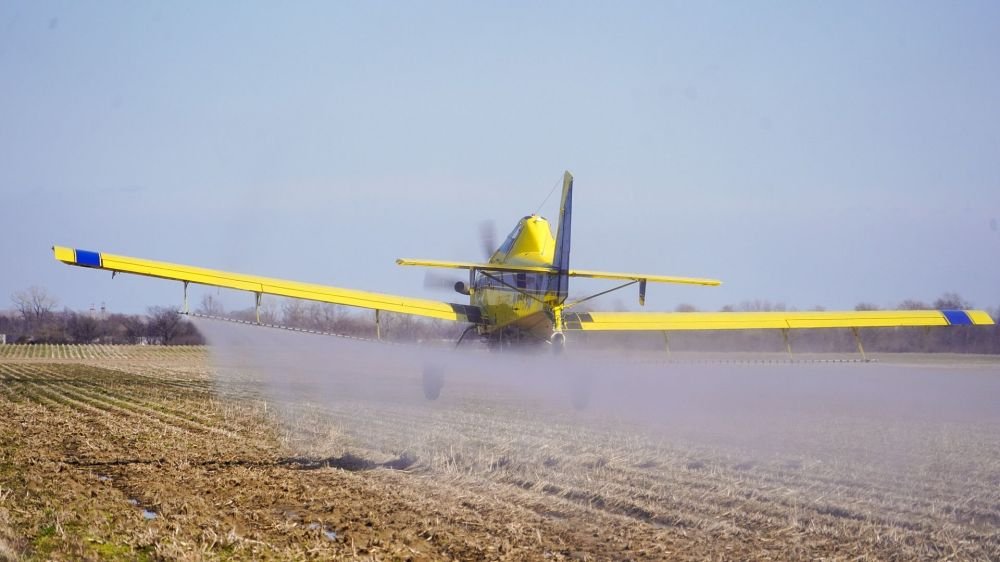
Weeds don’t take a break, and neither should your weed control strategy. Whether you’re a no-till, minimum-till, or conventional grower, getting a clean seedbed before planting is critical for strong crop establishment and yield potential. One of the biggest decisions growers face each year is whether to apply burndown herbicides in the fall or wait until spring.
Some swear by fall burndown to get ahead of tough winter annuals, while others prefer spring applications to ensure a clean start right before planting. The truth is, both strategies have advantages—but which one is right for your fields?
Let’s break it down so you can make the best choice for your operation.
Why Burndown Matters
A burndown application helps eliminate winter annuals, early spring weeds, and crop residue, creating a clean seedbed for planting. If left unchecked, weeds like marestail, henbit, chickweed, and ryegrass will compete for moisture, nutrients, and sunlight, leading to reduced emergence and lower yields.
The goal of burndown is simple: start clean, stay clean. But when is the best time to do it—fall or spring?
Fall Burndown: Getting Ahead of the Problem
Pros of Fall Burndown
-
Stops Weeds Before They Get Established – Many tough winter annuals and perennials germinate in the fall and become much harder to control in the spring. A fall burndown prevents them from overwintering and setting seed.
-
Reduces Weed Pressure in Spring Controlling weeds early – Means you won’t be scrambling to spray in the spring when time, labor, and weather are already working against you.
-
Helps with Herbicide Resistance – Weeds like marestail, henbit, and chickweed can be resistant to spring-applied herbicides. Controlling them in the fall reduces selection pressure for resistance.
-
Spreads Out the Workload – If you handle some weed control in the fall, you’ll have one less thing to worry about when spring planting arrives.
-
Improves Soil Conditions for Spring Planting – A fall burndown can help break down residue and warm up the soil faster, leading to better planting conditions.
Cons of Fall Burndown
-
Misses Early-Germinating Spring Weeds – While fall burndown controls winter annuals, it won’t stop summer annuals like Palmer amaranth, waterhemp, or giant ragweed, which germinate in the spring.
-
Requires a Spring Follow-Up – Fall burndown is not a one-and-done solution. A spring residual herbicide is still needed to control later-emerging weeds.
-
Weather Can Limit Application – If the fall is too cold, too wet, or too dry, burndown herbicide uptake may be reduced, making it less effective.
Spring Burndown: A Clean Slate Right Before Planting
Pros of Spring Burndown
-
Takes Out Winter Annuals and Emerging Summer Weeds – A well-timed spring burndown kills off winter weeds and targets early-germinating summer weeds, setting up a clean field before planting.
-
Better Timing for Planting Prep – By applying burndown in the spring, you eliminate weeds right before planting, ensuring minimal competition when your crop emerges.
-
More Residual Herbicide Options – Some residual herbicides work better when applied closer to planting. A spring burndown lets you pair pre-emergence products with the burndown spray for longer-lasting control.
-
Maintains Ground Cover Through Winter – Leaving plant residue and some ground cover through the winter can help prevent erosion from wind and water, preserving soil health.
Cons of Spring Burndown
-
More Pressure to Spray on Time – Spring weather can be unpredictable. If heavy rains or wind delay applications, weeds can get out of control fast.
-
Larger Weeds are Harder to Kill – Waiting until spring means overwintered weeds are bigger and tougher, requiring higher herbicide rates and possibly multiple applications.
-
More Work at Planting Time – Spring is already a busy season. Having to manage burndown, pre-emergence herbicides, and planting all at once can add stress and time constraints.
So, Which One is Better?
The answer depends on your weed spectrum, management style, and climate.
|
Factor |
Fall Burndown |
Spring Burndown |
|
Weed Control Timing |
Best for winter annuals & perennials |
Best for early summer annuals |
|
Herbicide Resistance |
Helps reduce resistant weeds like marestail |
Still effective, but larger weeds may be harder to control |
|
Weather Impact |
Can be risky if early frost affects herbicide uptake |
Weather delays in spring can limit application windows |
|
Field Conditions |
Can reduce spring workload and improve soil temps |
May delay planting if burndown is late |
|
Residual Control |
Requires spring follow-up for summer weeds |
Can include residual herbicides for season-long control |
|
Soil Health |
Reduces weed pressure but removes cover crops |
Preserves ground cover to prevent erosion |
Best Strategy? Use Both!
For most growers, the best approach is a combination of fall and spring burndown.
-
Apply a fall burndown to control winter annuals and prevent early weed growth.
-
Follow up with a spring burndown that includes a residual herbicide to keep the field clean through early-season crop establishment.
Looking for tailored recommendations based on your crop rotation or region? Contact your local GreenPoint sales representative to build a customized burndown strategy that works for you.